

Every business needs a space in which to operate. That space falls under one category for most South African businesses, known broadly as commercial property. Understanding what commercial property is, how it differs from residential real estate, and what it costs, will help you make sharper decisions about where your business operates.
This guide breaks down the definition, the main property types, current market conditions across the country, and what you can expect to pay for commercial real estate.
What Is Commercial Property?
Commercial property is any building or land you use for business activity with the goal of generating income. Your income either comes from a business operating on the premises or rent paid by tenants who lease the space. We define a commercial building by its use, rather than by its size or appearance.
In contrast, residential real estate exists purely to house people. Commercial real estate exists to support trade, production, services, or investment returns. A single warehouse, a corner shop, a multi-storey office tower, and a logistics park all qualify as commercial property because each supports economic activity. In simple terms, it’s a premises that works for profit.
The Primary Types of Commercial Property
Commercial property splits into four recognized categories, including:
Office Space
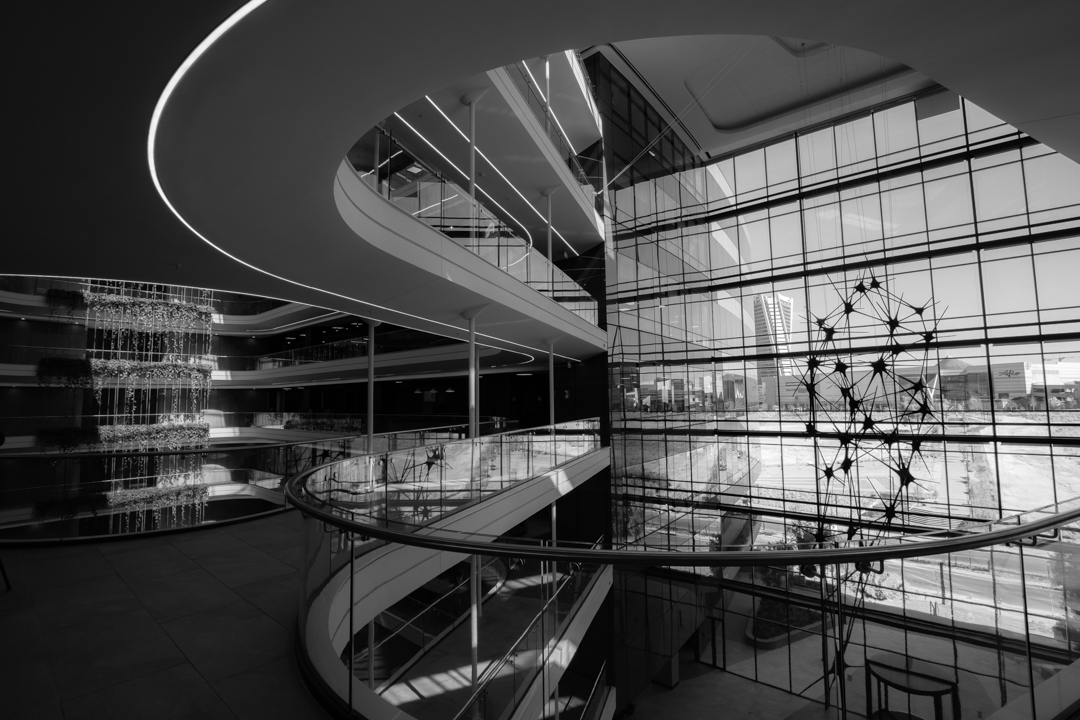
Office buildings house administrative, professional, and corporate work. In South Africa, offices are graded from P and A+ at the premium end, down to B and C grades for older or less specified stock. Premier spaces in nodes like Sandton, Rosebank, and Waterfall commands the highest rental or purchase prices. Quality of finish, security, backup power, and access to amenities drive much of that pricing.
Retail Property
Any shopping center, high-street shop, or standalone store qualities as retail property. These spaces depend on foot traffic and visibility, so the location is even more significant in this category. Retail property ranges from small convenience strips serving a neighbourhood up to super-regional malls that draw shoppers from across a metro.
Industrial Property
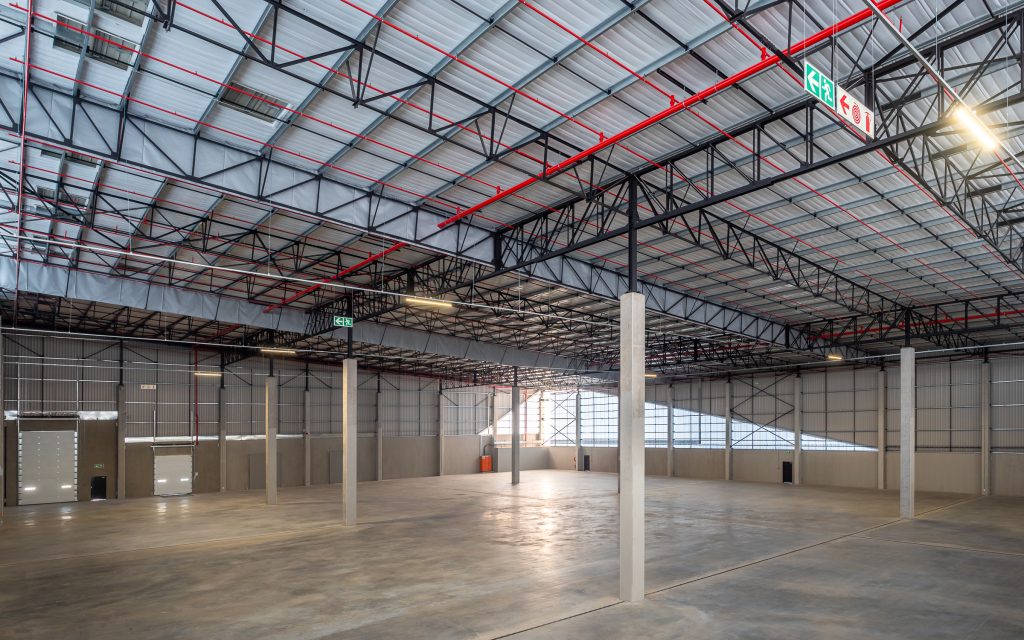
Industrial property covers warehouses, factories, distribution centres, and light manufacturing units. Demand is strong for well-located logistics and warehousing space. Gauteng is at the center of this trend due to its role as the country’s freight and distribution hub.
Mixed-Use and Specialised Property
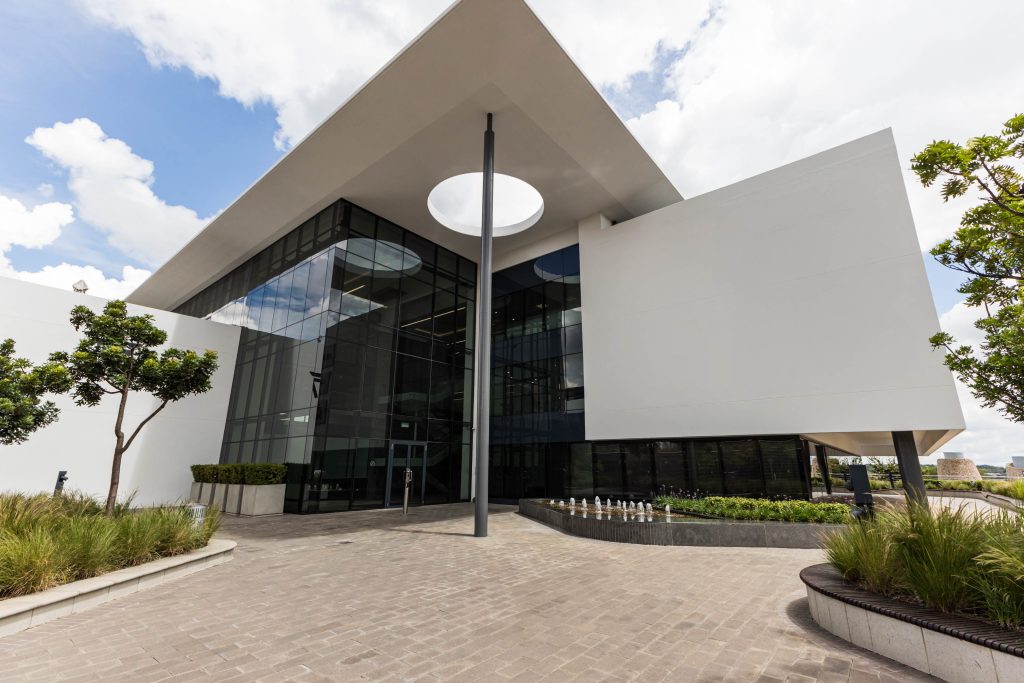 Mixed-use developments combine retail, office, and sometimes residential components in a single precinct. Specialised commercial property includes assets such as hotels, hospitals, filling stations, and self-storage facilities. Each comes with its own valuation logic and tenant profile.
How Does Commercial Property Differ From Residential Property?
The contrast between commercial and residential property extends beyond purpose. Lease terms on commercial property often run three to five years or longer, giving owners more income security than they would have in the shorter residential cycles. Commercial leases also place more operating responsibility on the tenant, who often cover rates, utilities, and a share of common area costs in addition to base rent.
Valuation of the two property types also works differently. Homes are valued largely on comparable sales in their vicinity. A commercial building is valued mainly in the income it produces, using the rental it earns and a capitalisation rate that reflects the risk and quality of that income stream. This income-led approach is why two buildings of similar size can carry very different price tags depending on their tenants and lease strength.
Financing follows the same pattern. Banks assess a commercial deal on the strength of the rental income and the covenant of the tenant, so the numbers behind the lease matter as much as the bricks.
How Much Is Commercial Property Worth in South Africa?
Commercial property value depends on type, grade, location, and the income it generates. A combination of these elements differs from place to place, but here are some benchmarks to help set expectations:
- Rentals: Commercial space is usually quoted as a monthly rate per square meter. Recent figures for Johannesburg put prime office rentals around R200,00 per square meter per month. Rates climb for premium-grade buildings in sought-after locations.
- Build and replacement costs: New low-rise office parks run roughly R8,500 to R10,400 per square metre to construct, high-rise towers reach R16,200 to R20,400 per square metre, and warehouse space sits lower at about R4,000 to R8,000 per square metre. These figures shape what developers must charge to make a project viable.
- Market conditions: The national office vacancy rate improved to 14.2% by the second quarter of 2024, the eighth consecutive quarter of improvement. Falling vacancies tend to support rentals and capital values, which is good news for owners and a signal to plan ahead for tenants. Cape Town recorded the lowest office vacancy at around 6.3%, and Johannesburg sat higher at roughly 16.9%, so location within the country has a real bearing on what you pay and what you earn.
A professional valuation is essential for a precise figure on any building.
Buying Vs. Leasing Commercial Property
Many South African businesses lease their premises, which preserves capital and keeps your company flexible as you scale. If you expect to change size, want to test a location, or prefer to keep cash available, a lease may be the right choice for you.
Buying a commercial building is ideal if your business is established, you have stable space needs, and the capital to invest. Ownership builds an asset on your balance sheet and removes exposure to rising rental costs. Some owners buy larger buildings than they need and let the surplus space cover part of the bond. You can take your investment further by buying commercial property purely to earn rental income and capital growth.
If you’re drawn to the investment side without the responsibility of direct ownership, Real Estate Investment Trusts (REITs) offer listed exposure to commercial portfolios.
The South African Commercial Property Market in Focus
The commercial property sector delivered a strong 2024, with listed property among the better-performing asset classes for the year. Improving office occupancy, resilient industrial demand, and steadier interest-rate expectations all contributed to renewed confidence across the market.
Gauteng remains the country’s commercial heartbeat. The province carries the largest concentration of office stock, anchors national logistics, and attracts corporate tenants across areas like Sandton, Bryanston, Woodmead, Fourways, and Waterfall. Sentiment has been positive since 2024 and vacancies continue to recede.
Regional differences matter when you plan. Cape Town’s tight office market pushes rentals up and limits choice. Gauteng offers deeper supply across every grade, which gives business tenants more room to negotiate and more options to match space to budget.
What to Look For in a Commercial Property
A few factors deserve close attention before you commit to any business property.
- Location shapes everything from staff commutes to customer access and future resale value.
- Lease terms set your cost certainty and flexibility, so read the escalation clauses and the operating-cost provisions carefully.
- Building grade and condition affect running costs and the impression you make on clients.
- Zoning confirms that your intended use is permitted on the site.
Parking, security, backup power, and proximity to transport are also important elements of any commercial property checklist.
Find the Ideal Commercial Property With PH Real Estate
Choosing the right commercial property is one of the most significant decisions your business can make. Your premises should support growth, control cost, and give your stakeholders an environment that works.
At PH Real Estate, we specialize in commercial real estate across Gauteng, with deep expertise in office, industrial, and retail space throughout Midrand, Bryanston, Fourways, Woodmead, and the wider region. Whether you are leasing your first office, expanding into a larger warehouse, or investing in commercial real estate, our team matches you with space suited to your goals and your budget, one square meter at a time.
Contact our expert team today to discuss your commercial property requirements and let us guide you to the right premises.
Frequently Asked Questions
What is commercial property?
Commercial property is any building or land used for business activity with the goal of generating income — either from a business operating on the premises or from rent paid by tenants. It is defined by its use rather than its size or appearance.
How much is commercial property worth in South Africa?
Value depends on type, grade, location and the income the property generates. As a recent benchmark, prime Johannesburg office rentals sit around R200 per square metre per month, while construction costs range from roughly R4,000 per square metre for warehousing to over R20,000 per square metre for high-rise office towers. A professional valuation is needed for a precise figure on any specific building.
What are the main types of commercial property?
The main types are office space, retail property, industrial property such as warehouses and factories, and mixed-use or specialised assets including hotels, filling stations and self-storage facilities.