

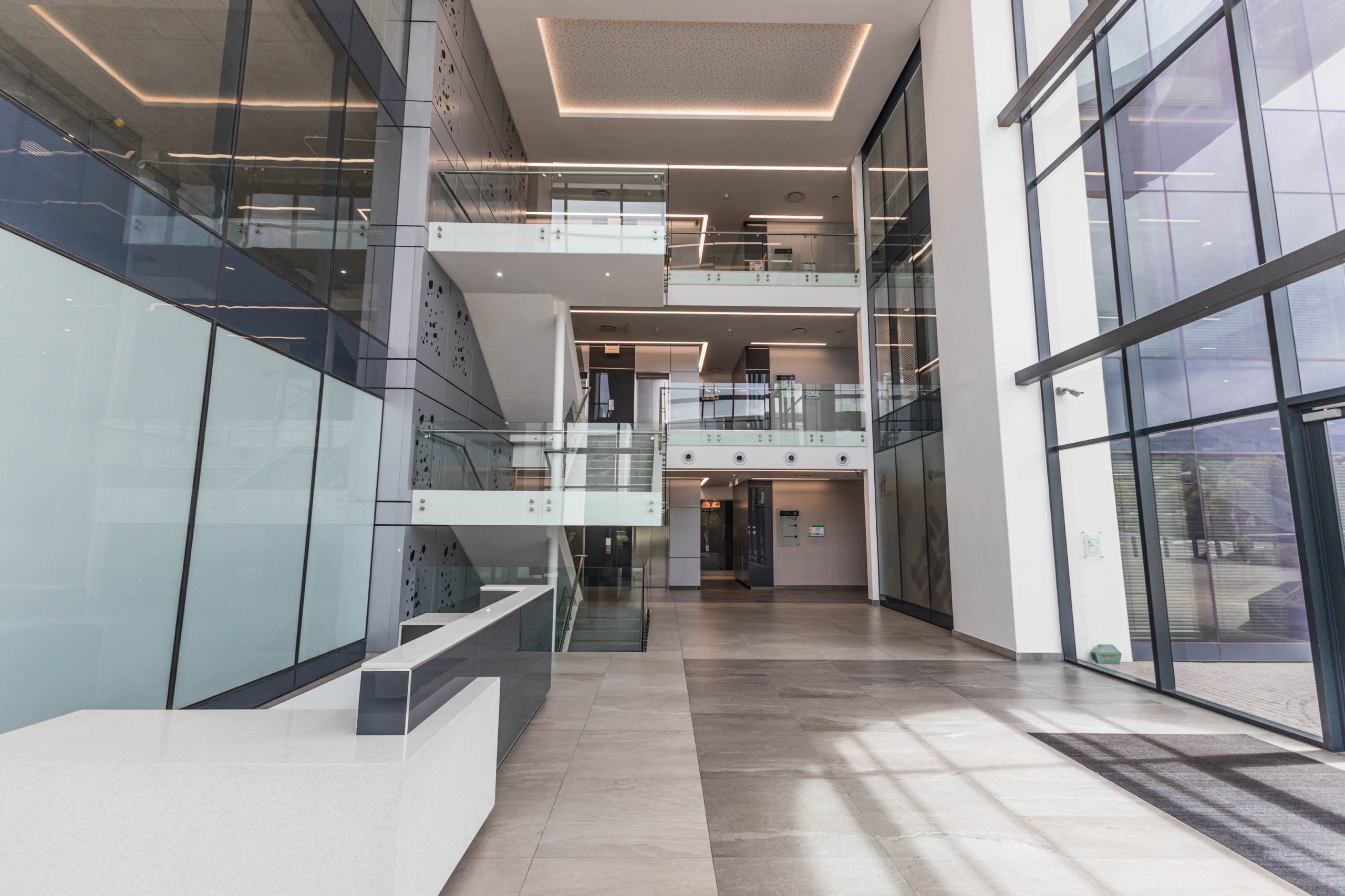
A new commercial space rarely arrives ready to use. Most offices and warehouses in South Africa are handed over unfinished, and turning that space into a working environment requires additional investment. A tenant installation allowance is the solution to this challenge, and understanding it before you sign a commercial lease in Gauteng can save your business a considerable amount.
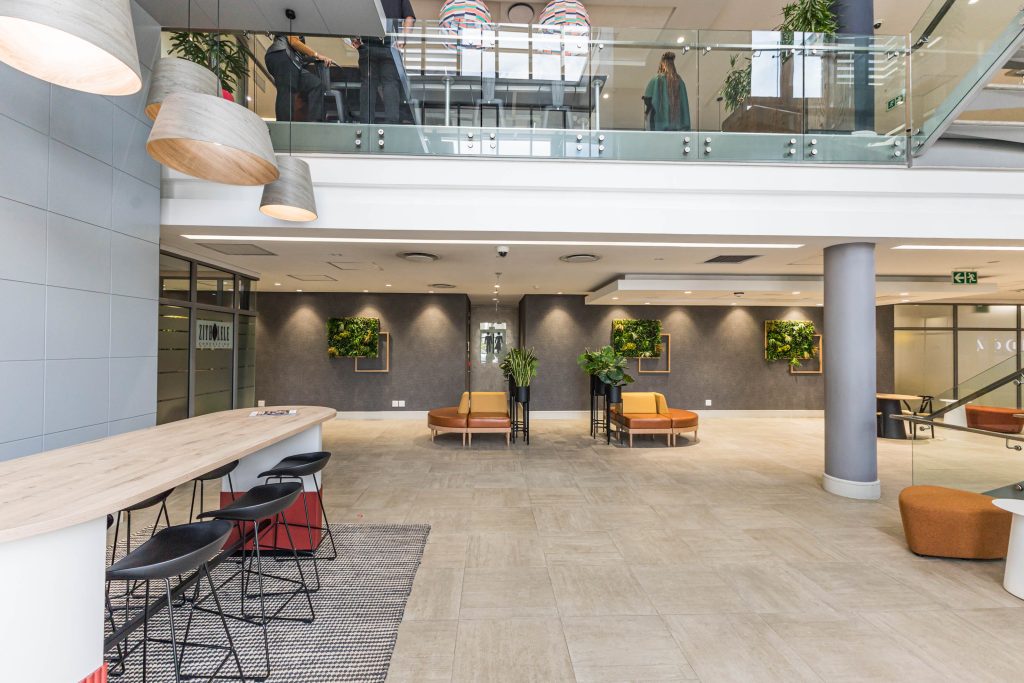
Fitted-out space has become one of the most sought-after assets in today’s office market. The cost of converting a white-box unit into a functional workspace has risen to the point where a landlord’s fit-out allowance rarely covers the full amount, leaving tenants with a substantial capital outlay. As a result, many occupiers are choosing to downsize and prioritise buildings that already offer quality fit-outs, shared amenities, and well-designed indoor and outdoor common areas.
These spaces reduce upfront costs, accelerate occupation timelines, and support the modern preference for efficient, amenity-driven environments rather than large, traditional office footprints.
What Is a Tenant Installation Allowance?
A tenant installation allowance (TIA), also known as a fit-out allowance, is a contribution your landlord makes towards fitting out your leased space. You use it to turn an empty space into a working environment for your team. Landlords often offer TIAs to attract tenants and secure longer lease commitments, so the allowance is a negotiating tool, as well as a budget line.
What Does a Tenant Installation Allowance Cover?
A TIA covers flooring, partitioning, ceilings, painting, and plumbing changes, although the exact scope depends on what the landlord delivers at handover. Landlords are generally responsible for a basic functional shell, with bare walls, level floors, lighting, ceilings, compliant fire systems and air-conditioning. Landlords encourage tenants to upgrade the space, so tenants take on the interior customisation from that point.
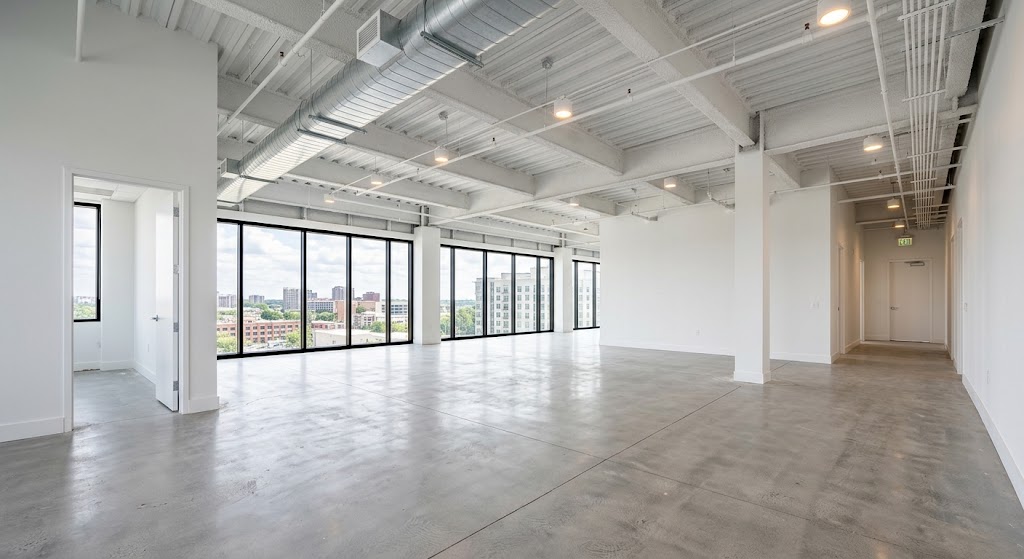
Writing this split into the lease rather than assuming it prevents disputes once the fit-out begins. An office fit-out includes partitioning, carpeting, reception finishes, and cabling for network points. In an industrial or warehouse space, the allowance goes towards the office area only.
Depending on the size and age of the warehouse, the landlord will contribute to upgrading the floors, servicing roller shutter doors, painting and ensuring that all lights in the warehouse work, but only if necessary. All other upgrades are for the tenants’ costs.
How Is a Tenant Installation Allowance Calculated?
Every TIA is different. The amount reflects the scope of work required, the length of the lease, and your standing as a tenant. A longer lease and a stronger covenant often mean a stronger allowance, as the landlord recovers the cost over more years of rental income. However, there are three common calculation methods:
- A fixed rate per square metre of the leased space
- A percentage of the annual rental
- A lump sum agreed during lease negotiations
One month of gross rental for each year of the lease term is a common market guideline for these calculations, but real figures vary by building and landlord. The differences are worth understanding whether you’re after office space in Midrand or considering an industrial site, as the calculation differs across property types.
For example, a 500 square metre office on a five year lease could see a TIA calculated at one month of gross rental for every year of the term. At a hypothetical rental of R130 per square metre a month, that works out to roughly R650 per square metre in total allowance over the five years, before negotiation. Real figures vary by building, landlord, and submarket, so treat this as a way to sense check an offer.
If you want to know what a fair TIA looks like for your space, get in touch with us so we can benchmark an allowance against your specific property and lease term before you negotiate.
What Is Beneficial Occupation and How Does it Relate to TIA?
Beneficial occupation is a free rent period a landlord grants so you can complete your fit-out before your lease payments begin. It runs alongside your TIA period, giving you the funding and time to prepare the premises before you have to pay rent on a space you can’t use yet. The length of your beneficial occupation should reflect the fit-out’s realistic scope. Think beyond a best case timeline, as delays are a genuine risk for any project.
During the beneficial occupation period the tenant will still be responsible for utilities (electricity, water, rates and taxes) as well as parking. This all depends on the landlord but there will be costs during that period as you will have ‘consumption costs’.
How to Negotiate a Fair Tenant Installation Allowance
Take the following steps to ensure you get the fairest and most beneficial TIA:
- Brief your contractor: Focus on the real scope of the fit-out and get a costed quote before you start negotiations. It carries more weight with your landlord than an estimate based on a previous lease.
- Look at the whole picture: Look at the TIA as part of the whole deal instead of negotiating it on its own. The rental rate, the lease term, and the beneficial occupation period are all part of the same package.
- Stay current on pricing: Keep an eye on the office market so you can compare to how landlords are pricing deals across your region.
Get the Right Tenant Installation Allowance for Your Next Space With Paula Hardy Real Estate

A TIA can change the cost of moving your business into a new space, provided you know how it works and what it means for your business. The PH Real Estate team is here to help you negotiate these terms across Midrand, Kyalami, Bryanston, Fourways, and other areas across Gauteng.
We can walk you through what a fair TIA looks like for your specific requirements. Contact us to talk about your next move, and we’ll be in touch to help you find the perfect space for your commercial needs.